Why hands-on science matters for young learners

Why hands-on science matters for young learners

Young children are natural investigators. They pour, mix, balance, build, compare and ask what will happen next. Hands-on science takes that curiosity seriously. It gives students direct experiences they can observe, describe and think about, rather than asking them to understand every idea through words or pictures alone. Experience gives scientific ideas something to attach...

25 July 20264 min read

Young children are natural investigators. They pour, mix, balance, build, compare and ask what will happen next. Hands-on science takes that curiosity seriously. It gives students direct experiences they can observe, describe and think about, rather than asking them to understand every idea through words or pictures alone.

Experience gives scientific ideas something to attach to

Many science concepts are abstract. Words such as force, dissolve, absorb, evaporate and transparent are easier to understand when students have seen and handled examples. A short investigation can give later explanations a concrete reference point.

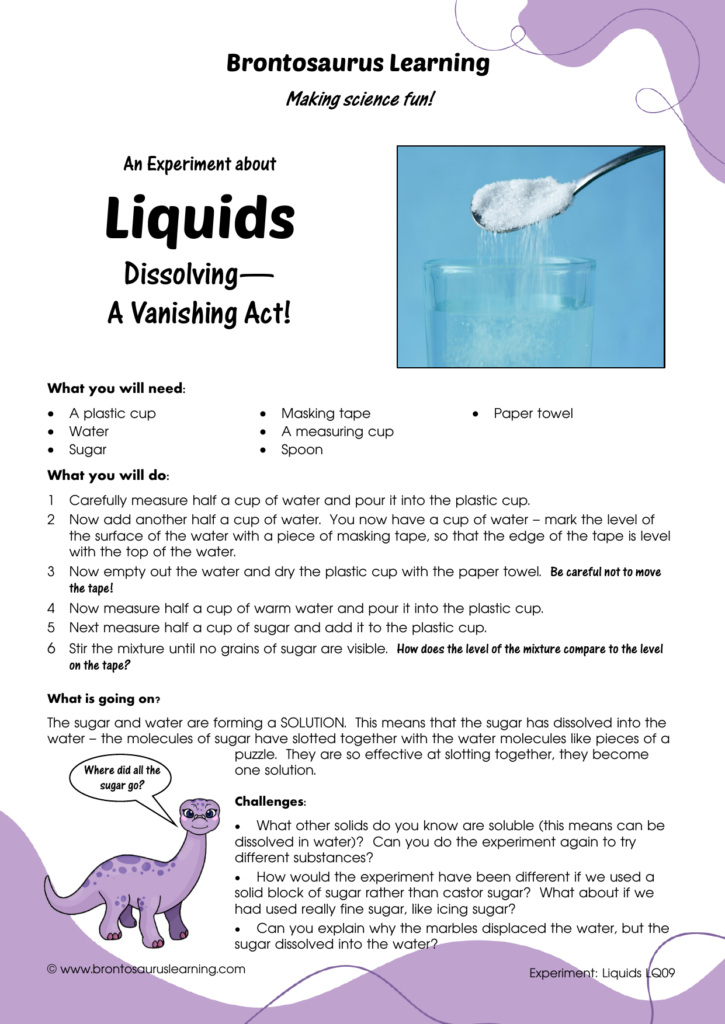
When students test which materials absorb water, they are not only completing an activity. They are building a collection of experiences: the paper towel changes, the plastic does not, the sponge holds more than expected. Those observations give meaning to the vocabulary and concepts introduced during discussion.

Practical work invites prediction and reasoning

The value of an experiment is not simply that something interesting happens. The learning grows through the thinking around it. What do you predict? Why? What did you notice? Was the result the same each time? What could we change?

Young learners do not need lengthy formal reports to begin thinking scientifically. Oral predictions, quick drawings, simple tables and shared class records can all make their reasoning visible. The important step is connecting the action to a question.

Students learn that evidence can change an idea

Hands-on science creates safe opportunities to be surprised. A student may be certain that a large object will sink or that a particular material will be strongest. Testing the idea shows that a prediction is not a promise—it is a starting point.

This is an important classroom habit. Students learn that changing an explanation after seeing new evidence is not failure. It is part of careful thinking.

Practical investigations support language and collaboration

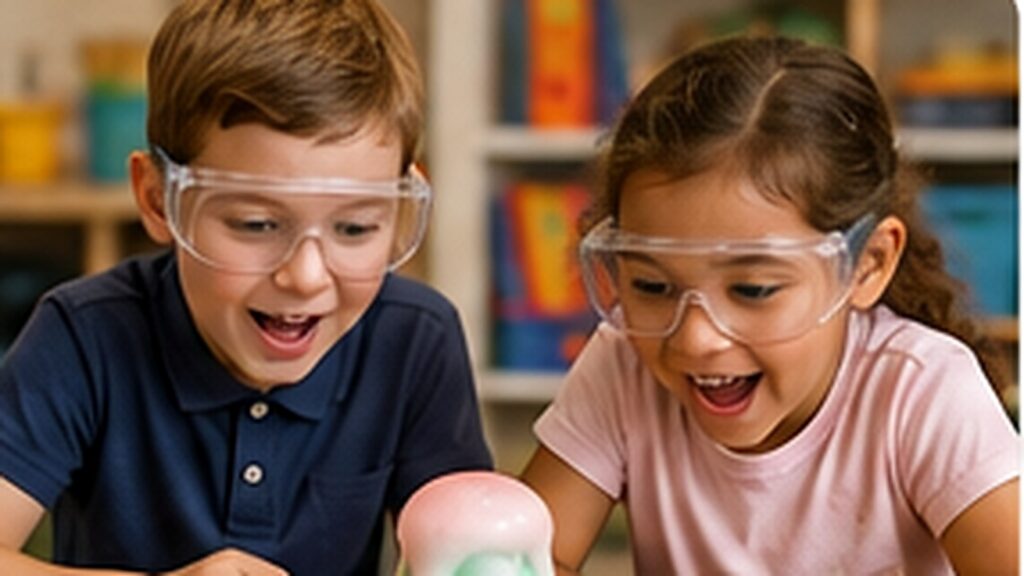
Science activities give students meaningful reasons to speak, listen and use precise language. They negotiate roles, describe changes, compare results and explain what they think happened. For many learners, talking about an object in front of them is more accessible than responding to an abstract question.

Small-group investigations can also support participation when roles are clear. One student might handle materials, another record results, another check the steps and another report the group’s observations. Rotating roles allows students to contribute in different ways.

Hands-on does not have to mean complicated

Effective primary science can use familiar materials: paper, cups, water, foil, blocks, magnets, ice, shadows or classroom objects. The key is not elaborate equipment. It is a focused question, a manageable procedure and time to discuss the result.

Before beginning, identify the learning goal and remove any steps that do not support it. Demonstrate safe handling, organise materials so students can work independently, and decide how observations will be recorded. A simple investigation run calmly is more valuable than an impressive activity that leaves no time for thinking.

Finish with meaning, not just cleaning up

The final conversation is where practical experience becomes shared knowledge. Compare results, revisit predictions and name the scientific idea students have encountered. Ask what the evidence suggests and what the class might investigate next.

Hands-on science matters because it places students inside the process of learning. They are not only receiving facts. They are noticing, questioning, testing and explaining—the beginnings of genuine scientific thinking.

Explore Brontosaurus Learning science investigations created for practical classroom use with young learners.

Related classroom resource

Chemistry Science Experiment Bundle 1

5 fantastic, hands-on experiments with full student pages, teacher’s notes and Investigation Record worksheets. Suitable for primary aged students.

Practical resources. Meaningful learning.

Get practical teaching ideas and new freebies

Join the Brontosaurus Learning list for useful classroom resources, teaching ideas and occasional updates—without inbox clutter.