Why handwriting still matters in a digital world

Why handwriting still matters in a digital world

Children are growing up in a world of keyboards, touchscreens and voice-to-text tools. It is reasonable to ask whether handwriting still deserves dedicated classroom time. The answer is not that digital tools should be pushed aside. It is that handwriting and technology support different parts of learning, and students benefit when they can use both...

25 July 20264 min read

Children are growing up in a world of keyboards, touchscreens and voice-to-text tools. It is reasonable to ask whether handwriting still deserves dedicated classroom time. The answer is not that digital tools should be pushed aside. It is that handwriting and technology support different parts of learning, and students benefit when they can use both with confidence.

Handwriting is more than neatness

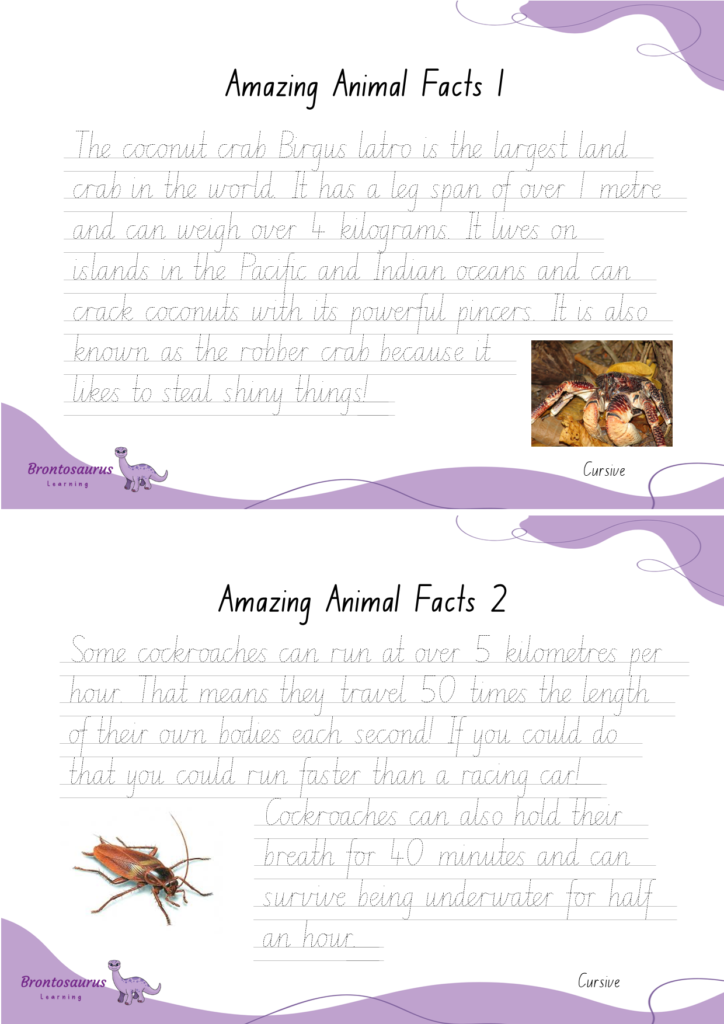
Handwriting is sometimes treated as a presentation skill: useful mainly because tidy work is easier to read. Legibility certainly matters, but the value of handwriting goes further. When letter formation becomes familiar and automatic, students can devote more attention to spelling, sentence construction and the ideas they want to communicate.

A child who must stop and think about every letter has less mental space available for composing a sentence. Short, regular handwriting practice can reduce that effort over time. The aim is not perfect penmanship. It is fluent, comfortable writing that allows the student’s thinking to reach the page.

Writing by hand slows thinking in a useful way

Digital writing makes revision and production faster, which is valuable. Handwriting is slower, but that slower pace can be helpful during planning, note-making and early drafting. Students have time to select words, notice letter patterns and think about how ideas connect.

For younger learners, writing by hand also creates a physical link between seeing a letter, saying its sound and producing its shape. This makes handwriting a natural partner for phonics, spelling and vocabulary learning rather than an isolated subject.

Confidence grows through visible progress

Handwriting offers students a very visible form of improvement. They can compare an earlier attempt with a newer one and see that practice has made a difference. That sense of progress can be especially valuable for children who are hesitant writers.

The most supportive approach is explicit and achievable: demonstrate the movement, provide a clear model, allow enough space, and focus on one or two features at a time. Long copying tasks are rarely necessary. Five purposeful minutes can be more useful than a page completed with tired hands and fading attention.

Handwriting and digital literacy belong together

Modern classrooms do not need to choose between pencils and devices. Students need handwriting for quick notes, planning, diagrams, forms, labels, examinations and everyday communication. They also need keyboarding, digital composition and the ability to choose the most effective tool for a task.

A balanced program might include explicit letter formation, short fluency practice, authentic handwritten tasks and regular opportunities to compose digitally. The goal is flexible communicators, not loyalty to one method.

Keep the purpose clear

Handwriting instruction is most effective when students understand why they are practising. Connect it to real classroom work: labelling a science diagram, writing a message, drafting a story opening or recording an observation. When practice has a clear purpose, it feels less like an isolated exercise and more like part of becoming a capable writer.

Technology will continue to change, but children will still need to organise ideas, communicate clearly and work with language. Handwriting remains one practical tool for doing that. It deserves a thoughtful place in the classroom—not instead of digital learning, but alongside it.

Explore Brontosaurus Learning handwriting resources designed to make short, purposeful practice easier to plan and use.

Related classroom resource

Ancient Civilization Facts Complete Handwriting Bundle 1

A fully differentiated handwriting system that uses high interest paragraphs to easily engage your students in handwriting activities. Available in handwriting styles from all over the world.

Practical resources. Meaningful learning.

Get practical teaching ideas and new freebies

Join the Brontosaurus Learning list for useful classroom resources, teaching ideas and occasional updates—without inbox clutter.